Vertical Drama Casting
Who gets cast in vertical dramas
Mostly working actors building their careers, plus a growing list of familiar names: James Franco, Mario Lopez and Taye Diggs have all appeared in the format. Leads carry nearly every scene of a story told in short bursts, so chemistry and clear, quick emotion count for a lot.
It can be a springboard, too. Noah Fearnley moved from ReelShort series to TV roles.
Union or non-union
Most microdramas are still non-union. Under the SAG-AFTRA Verticals Agreement, producers can mix union and non-union performers, shoots are capped at 30 consecutive days, and actors get minimum pay, overtime, pension and health contributions, and protections around nudity, simulated sex and AI.
A non-member who works one principal role on a covered production gains a path to union membership.

What vertical drama actors earn
As reported in October 2026, the agreement's minimums are $250 for an 8-hour day for leads and $164 for other performers, against a standard TV day-player rate of $1,246. Leads can negotiate above the minimum, and experienced vertical actors report earning well over it.
Budgets stay tight: most microdramas cost about $150,000 to $300,000 to make.
How to find vertical drama casting calls
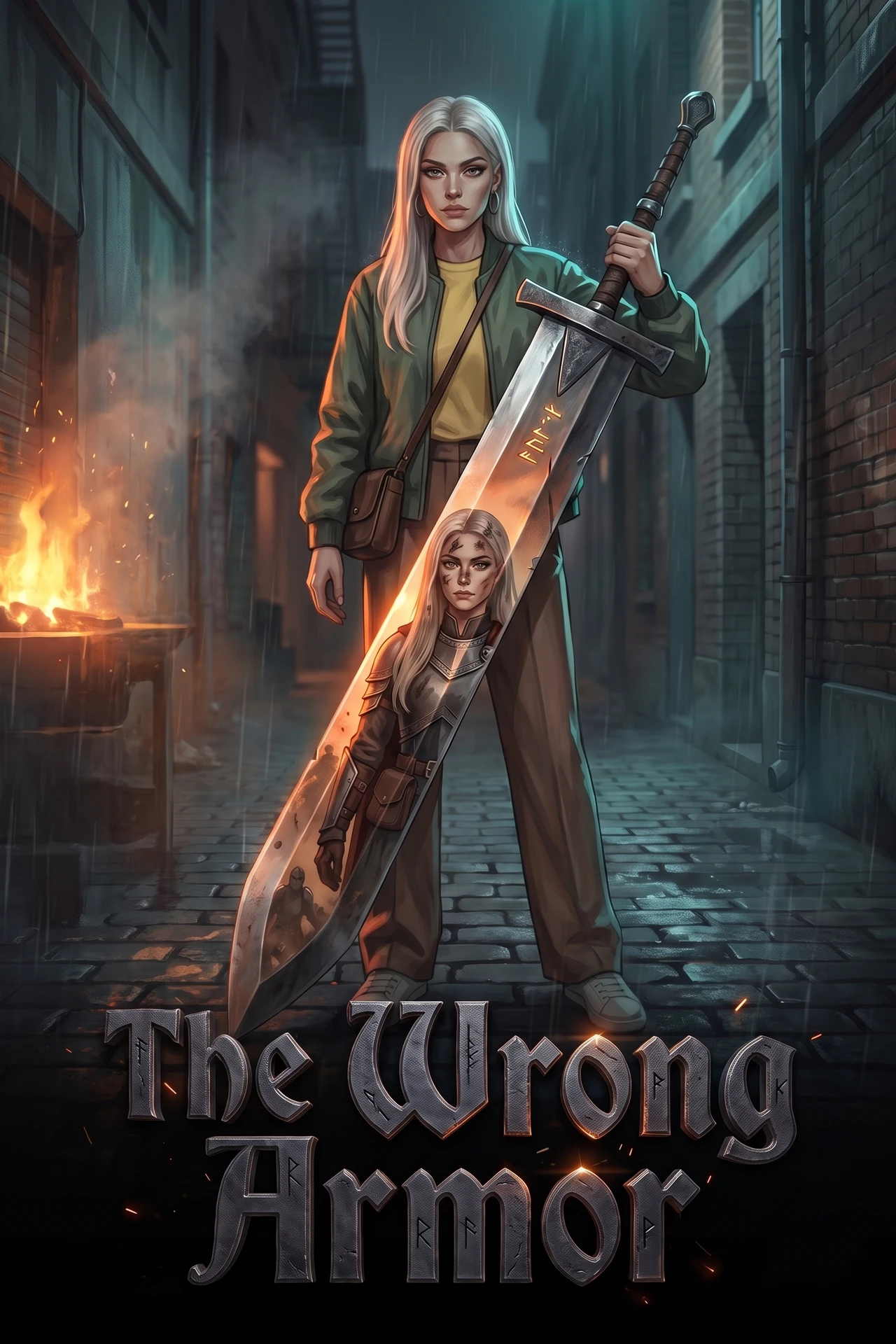
Tokime takes a different route: its dramas are anime-style originals, so the story reaches you drawn rather than filmed, with episodes 1–5 free on every series.
- Watch the format first and learn its pace and tropes, from billionaire romance to werewolves.
- Look for microdrama and vertical-series listings on casting sites and through agents; union members can ask whether a project is signed to the Verticals Agreement.
- Be ready for fast turnarounds: a whole series is shot in a few weeks.
 129K